

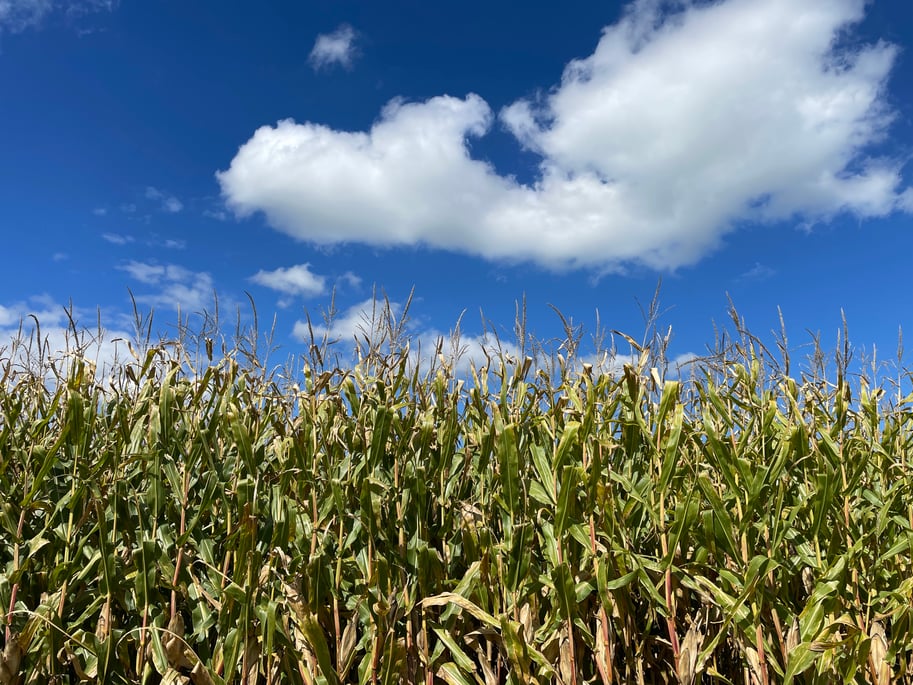
Maize is one of New Zealand’s most important crops, underpinning feed systems for dairy, beef and poultry operations across the country. As growers face rising fertiliser costs, tighter environmental regulations and increasing climate variability, attention is turning to inputs that deliver productivity and long-term soil health.
Vermicast – sometimes called worm castings - offers a proven way to support maize growth while improving soil biology and structure. At MyNoke, we’re seeing growing interest from North Island maize growers looking to integrate vermicast into their nutrient programmes, particularly where proximity to our worm farms makes bulk application cost-effective.
This article explores how vermicast works in maize systems and outlines best-practice application methods tailored to New Zealand conditions.
What Is Vermicast and Why It Matters for Maize
Vermicast is the end product of earthworms digesting organic material. Unlike raw compost, vermicast is highly stabilised and biologically active, containing:
-
Plant-available macro- and micronutrients
-
Beneficial microbes and enzymes
-
Organic compounds that improve soil structure and nutrient cycling
In MyNoke’s maize application trials and demonstrations, a key takeaway is clear: vermicast can play a meaningful role in reducing reliance on synthetic fertilisers while supporting strong crop establishment and yield.
Rather than acting as a quick-release fertiliser, vermicast works by improving the soil environment around maize roots, whereby supporting nutrient uptake, moisture retention and root development throughout the growing season.
How Vermicast Supports Maize Performance
Nutrient Supply with Reduced Losses
Vermicast provides nitrogen, phosphorus, potassium and trace elements in organic and mineral forms that are released gradually. This slow-release profile reduces leaching risk and supports steady nutrient availability during key growth stages.
Research shows maize yields can improve when organic soil amendments like vermicast are used either alone or alongside mineral fertilisers, particularly where soils are low in organic matter.
Improved Soil Structure and Water Retention
Maize is sensitive to compaction and moisture stress, especially during early growth and flowering. Vermicast increases soil organic matter, helping to:
-
Improve aggregation and root penetration
-
Increase water-holding capacity
-
Reduce surface runoff and crusting
These benefits are particularly valuable on lighter North Island soils or in seasons with irregular rainfall.
Enhanced Soil Biology and Root Function
The microbial communities present in vermicast stimulate nutrient cycling in the rhizosphere. A more biologically active soil supports healthier roots, better nutrient uptake and improved resilience under stress.
Over time, this biological lift contributes to improved soil function well beyond a single season’s crop.
Best Practices for Applying Vermicast to Maize
For North Island maize growers, effective vermicast use comes down to matching agronomy with logistics – in other words, making the most of local supply to keep costs under control.
Prioritise Local Bulk Delivery
Growers located within practical trucking distance of MyNoke’s North Island worm farms in Tokoroa, Taupō and Ohakune can significantly reduce costs by ordering vermicast in bulk (typically 20–30 tonne loads). Bulk delivery lowers the cost per tonne compared with bagged or palletised product.
In some regions, neighbouring growers have further reduced freight costs by coordinating shared deliveries, particularly when applying vermicast pre-plant across multiple paddocks.
Soil Test First to Target Where It Pays
Soil testing should guide all vermicast applications. Testing for pH, P, K, organic matter and available nitrogen helps identify paddocks where vermicast will deliver the greatest return.
Maize’s deep rooting depth means sub-soil nitrogen can contribute significantly to crop demand. Understanding this allows vermicast to be positioned as a soil-building input rather than a blunt replacement for all mineral nitrogen.
Time Applications with Cultivation and Sowing
The most common and cost-effective approach is pre-plant broadcast application, followed by light incorporation during cultivation or power harrowing. This places vermicast directly in the root zone, supporting early establishment.
Applying ahead of planting also allows spreading to be built into normal field operations, avoiding extra passes and labour.
Use Existing Machinery Where Possible
MyNoke’s screened vermicast is compatible with standard fertiliser spreaders and muck spreaders commonly used by North Island contractors and arable farms. This avoids the need for specialised equipment and keeps application costs down.
Where growers don’t own spreaders, spreading contractors already operating in maize areas can often include vermicast spreading as part of the crop establishment programme.
Integrate with Your Nutrient Programme
Vermicast works best as part of a balanced nutrient strategy. While it contributes nutrients and biology, some paddocks may still require targeted mineral nitrogen to meet peak crop demand.
Using vermicast alongside nitrogen management tools allows growers to fine-tune inputs, often reducing total synthetic fertiliser use over time while maintaining yield.
Building Long-Term Soil and System Resilience
Beyond immediate yield responses, vermicast supports the long-term performance of maize systems by:
-
Increasing soil organic matter
-
Improving nutrient efficiency
-
Supporting soil biology and structure
-
Enhancing resilience to dry or variable seasons
For North Island maize growers, especially those close to MyNoke’s worm farms, vermicast offers a practical way to invest in soil health without adding unnecessary cost or complexity.
Download the Grower Field Guide
To support on-farm decision-making, we’ve created a MyNoke Vermicast for Maize – North Island Grower Checklist, covering planning, application, logistics and in-season monitoring.
This practical field guide is ideal for sharing with staff, contractors or advisors and can be downloaded directly from this page.
Contact us to discuss your soil's needs, vermicast's typical nutrient analysis and to arrange a bulk vermicast quote for product delivery to your location.