

Because what we do today matters - even after COP30
Last month I attended Future Voices: Leading Change - part of the Climate Action Festival hosted by EnviroHub Bay of Plenty and Tauranga City Council. The room was full of young people speaking with purpose, clarity and conviction about protecting the planet they’ll one day inherit.
I left the event with one phrase echoing in my mind:
“Speak in generations, not years.”
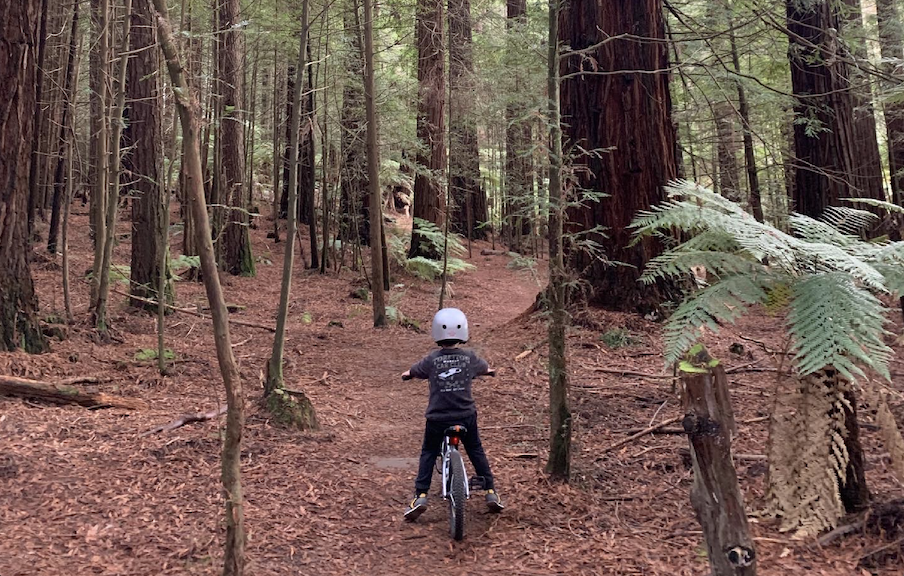
When I think of my nine-year-old son, it hits differently. It’s not just 2030 or 2050 that matters any more - it’s his lifetime, and the lifetime of his children.
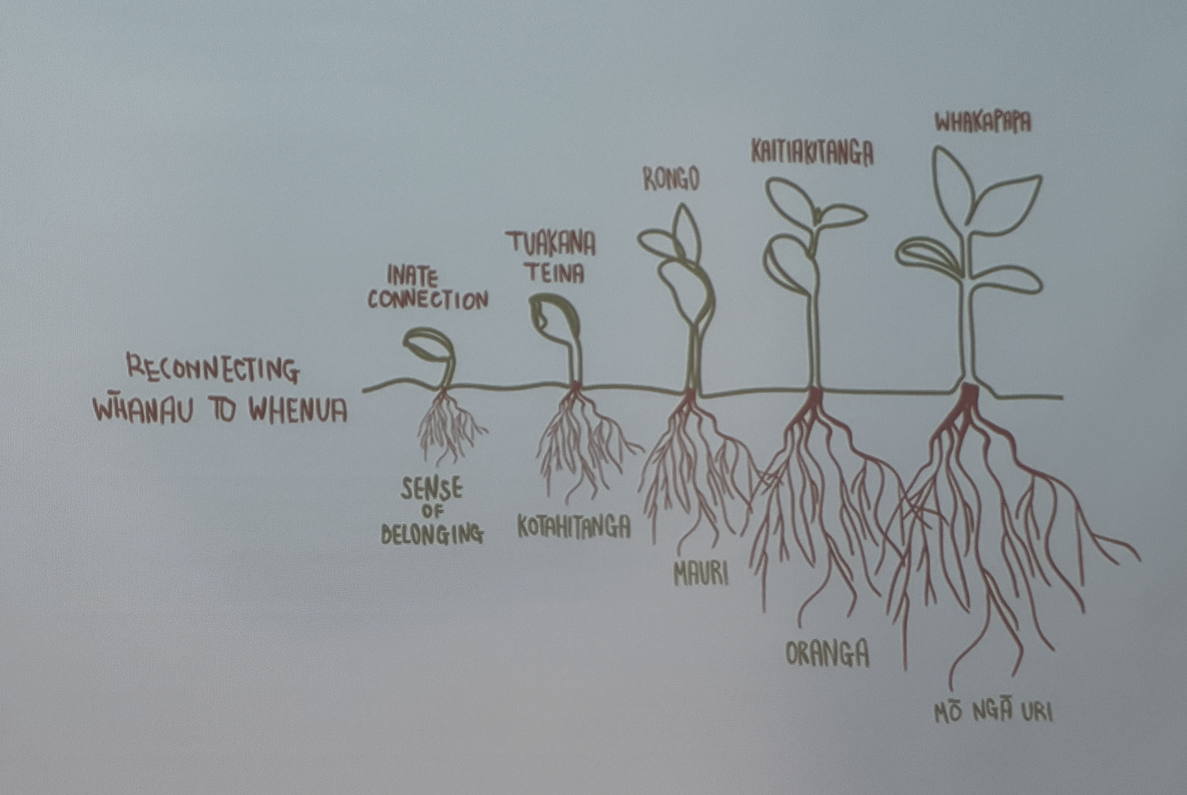
A beautiful illustration of the concept of speaking in generations, not years, from Kaewa Savage's inspiring story.
A complicated result from COP30 - hope and disappointment
The world recently turned its eyes to COP30 in Belém, Brazil. The summit ended with a mixed outcome - a reminder that while global climate diplomacy is important, it isn’t sufficient by itself.
What COP30 delivered:
- A major commitment to ramp up climate finance: countries agreed to mobilise US $1.3 trillion per year by 2035 to support climate action.
- Adaptation funding to help communities vulnerable to climate impacts was pledged to be tripled by 2035.
- New mechanisms for implementation: a “Global Implementation Accelerator” and what’s been called the Belém Mission to 1.5 °C - designed to help deliver on existing commitments.
- Initiatives beyond the core UN text: e.g. the launch of a fund aimed at protecting forests globally, and a renewed spotlight on water, health and adaptation for vulnerable communities.
What COP30 failed to secure - and why it matters:
- There was no explicit, binding roadmap to phase out fossil fuels. Attempts to embed fossil-fuel exit language into the final text failed, largely due to opposition from fossil-fuel–producing nations.
- Similarly, while deforestation and forests protection came up in side-agreements and initiatives, COP30’s main decisions provided no strong, binding, global commitment to end deforestation.
- For many observers, including Pacific climate-justice groups, the outcomes were described as “extremely weak,” insufficient to prevent global warming beyond safe thresholds.
In short, COP30 helped unlock more money for climate adaptation and resilience, but it fell short on the most critical structural changes: ending fossil-fuel dependence and reversing deforestation.
Why everyday choices still matter - maybe even more
Because the summit did not deliver what many hoped for, the urgency for grassroots, individual and community-level action becomes even clearer. If we can’t rely on global agreements alone, then what we do day-to-day matters.
That’s where the idea of “speaking in generations, not years” becomes a personal commitment. It’s a belief that real change happens not only through treaties and summits, but through collective small actions - repeated, multiplied, sustained.
Small acts, lasting impact — what we can do now
Even with COP30 behind us, these everyday shifts still carry weight.
- Travel with intention
- Walk, bike, use public transport when possible.
- Combine errands to reduce needless trips.
- When needing a vehicle, aim for low-emission options or rethink whether you really need one.
Fewer car trips over time helps reduce carbon load and clean the air our kids breathe.
- Rethink what and how we consume
- Lean into more plant-based meals; eat local, seasonal produce.
- Cut down on waste - food, packaging, single-use plastics.
- When buying, pause to ask: Will this last? Or will it end in landfill?
- Prioritise experiences when gifting (nature trips, bush walks, surf lessons) or lasting items (durable tools, quality outdoor gear) over disposable junk.
This sends a message: we value longevity, experiences, and a world worth inheriting.
- Make our homes resilient - and more efficient
- Use LED lighting.
- Unplug devices when not in use.
- Improve home insulation.
- If possible, support or switch to renewable energy sources.
These changes save energy now and over decades, reduce the strain on the planet.
- Use your voice - and raise others' voices
- Talk about climate with your kids, friends, and community: normalise climate-responsible habits.
- Get involved locally: support councils and community groups pushing for green transport, waste reduction, conservation, better urban design.
- Bring your children into the conversation: show them their actions matter.
Because unless we build a culture that values future generations, top-down agreements will only take us so far.
Why “generations, not years” still matters - especially now
COP30 showed that even a global summit loaded with intensity, urgency and public pressure still struggled to deliver the big structural changes science demands.
That means the hope for a liveable future relies not just on world leaders, but on all of us.
When I think of my son - and perhaps one day his children - I imagine them walking along familiar coastlines, exploring forests, breathing air that still feels clean. I want them to grow up in a world we fought for, not one we let slip away through inaction.
That’s why I’m working to live by the mantra:
Speak in generations, not years.
Because what we choose today may define their tomorrow.